The Second Brain system is a personal method for organizing information digitally. It acts like an external storage space for your thoughts, ideas, and knowledge.
This concept became popular through a productivity expert named Tiago Forte. He developed it as a personal knowledge optimization management (PKM) tool. PKM focuses on how people can better collect, organize, and use information. This idea gained a ton of attention because it answered a common issue in the modern era. We have too much information, but little knowledge for managing it.
We constantly receive information from emails, apps, articles, and messages. It becomes impossible to remember everything or stay focused on our priorities, or even to define what our priorities are.
One of the benefits of Second Brain systems is that they allow you to externalize your thoughts. Instead of trying to keep everything in your head, you save it in your second brain.
This externalization leaves more mental space for you to think, connect ideas, and have time for working on creativity instead of memorization.
Key Takeaways
A Second Brain is a digital system for organizing thoughts, ideas, and knowledge—freeing your mind for clarity and creativity.
Developed by Tiago Forte, this concept tackles digital overload by shifting memory and thinking into external tools.
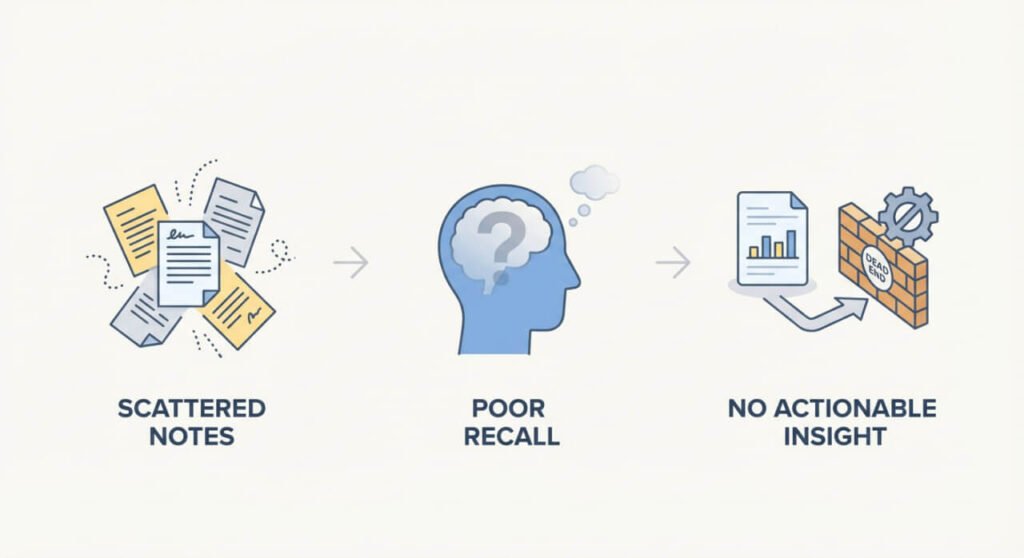
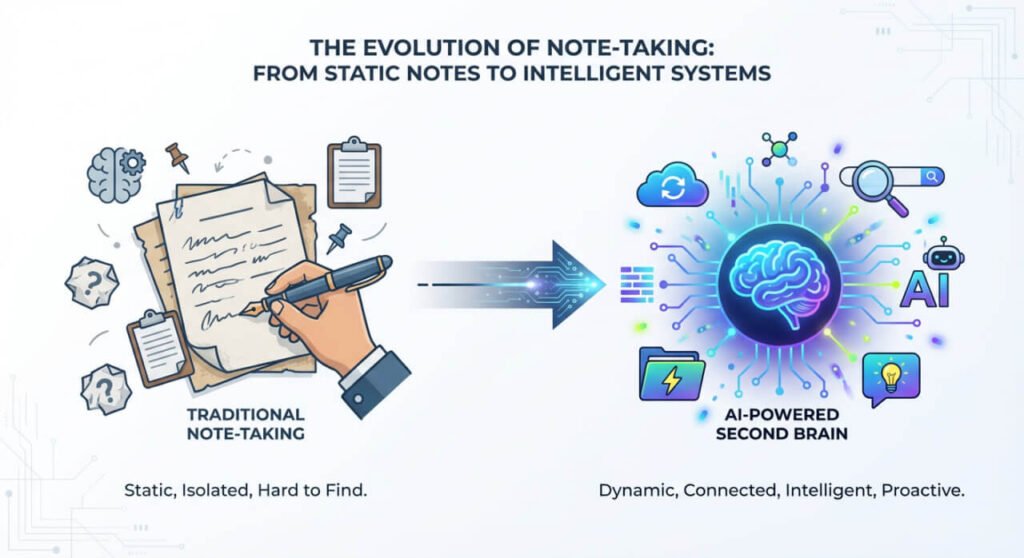
Traditional note-taking often fails due to scattered storage, poor recall, and lack of actionable insight—leading to “collect but forget.”
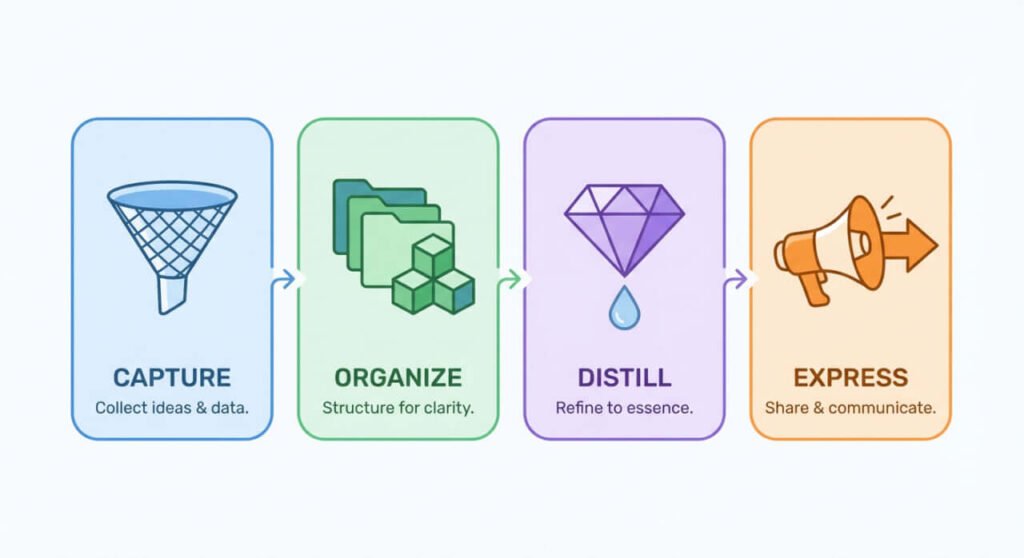
The CODE Framework (Capture, Organize, Distill, Express) structures your Second Brain for productivity and meaningful output.
Tools like Notion, Obsidian, or Brainfo support your system, but consistent habits—like regular reviews and mindful capturing—make it work.
Use the PARA Method (Projects, Areas, Resources, Archives) to organize your content by purpose, not just category.
Best practices include prioritizing quality over quantity, avoiding digital clutter, and turning notes into tangible results like articles, plans, or presentations.
Second Brain systems benefit students, entrepreneurs, professionals, and lifelong learners—anyone managing lots of information.
AI-powered platforms like Brainfo enhance your system with automation, smart resurfacing, and predictive assistance—turning your digital brain into a thinking partner.
The future belongs to those who create from their knowledge—not just collect it.
Why Traditional Note-Taking Falls Short
Many people struggle with traditional note-taking. They face three big problems.
First, notes become scattered across many notebooks, apps, or pieces of paper. Finding the right note later is very hard.
Second, people experience poor recall. Even if they write something important, they often forget it exists or can’t remember the details when needed.
Third, notes often lack actionable insight. They collect information but fail to turn it into useful steps or decisions.
A major issue is what we call collect but forget. Standard note-taking apps make it easy to save information quickly – like articles, quotes, or ideas. But they do little to help you actually use that information later. It gets buried. You save things thinking “this is useful,” but then you rarely see it again. The information is collected, but then forgotten.
Imagine this common situation: You find a perfect recipe online. You save it in your notes app. Weeks later, you want to cook that meal. But you can’t find the recipe! You search your notes, but you saved so many other things (work ideas, shopping lists, random thoughts) that the recipe is lost. The useful information is trapped, wasted. You feel frustrated because you collected it but cannot use it. This shows how scattered notes and poor recall lead to lost knowledge.
Core Principles of a Second Brain System (CODE Framework)
The CODE framework gives four core principles for building a Second Brain system. Its purpose is to create a trusted, external place for your knowledge, freeing your mind and boosting productivity.
Capture means collecting anything useful you find or think. This includes ideas from reading, conversations, insights, quotes, or online resources. The key is to save this information quickly and easily into your system without overthinking, so you don’t lose it.
Organizing is about saving this information in a useful way later. You don’t just dump everything in one place. Instead, you sort information based on where or how you might use it in the future. This purposeful structure makes finding the right information fast and easy when you need it for a project or task.
Distill focuses on identifying the most important parts of your saved information. As you collect more, it becomes hard to see what truly matters. Distilling means simplifying your notes, highlighting key points, and summarizing so the core value is clear and easy to grasp quickly later.
Express is the goal: using your knowledge to make something new. This means turning your captured, organized, and distilled information into new creations. This could be writing an article, giving a talk, making a decision, starting a project, or building something. The system exists to support your output.
The CODE framework focuses on actionable organization and creating outputs. It emphasizes sorting information for future projects and tasks.
Zettelkasten, another method, focuses much more intensely on connecting many small notes together through deep linking, aiming to spark new ideas and insights through these connections over time, often for academic writing or deep thinking.
CODE is generally more practical for managing information for everyday work and creation.
How to Build Your Own Second Brain
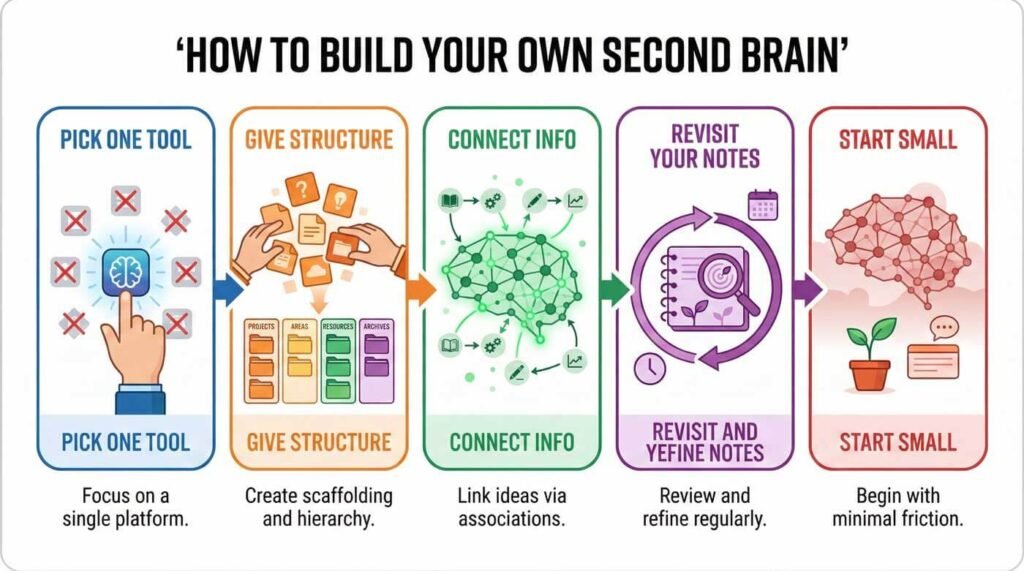
First, pick one tool to hold your information. Use tools like Notion, Obsidian, Brainfo, Evernote, or even simple folders on your computer. The best tool is the one you will actually use regularly. Don’t spend too much time choosing.
Next, organize your information using a clear structure. A popular method is called PARA. This means creating four main folders: Projects (active tasks), Areas (ongoing responsibilities), Resources (topics of interest), and Archives (inactive items). This helps you find information based on what you are doing, not just where you filed it.
Then, create a simple way to connect information. Add a few basic tags (like #quote, #idea, #toread) or link related notes together. Start very simple – you can make it more complex later if needed. The goal is to find connections easily later.
Make it a habit to review your system regularly. Do a quick daily check to save new information. Do a short weekly review to clean up notes, move items to Archives, and check your Projects and Areas list. This keeps your system useful and up-to-date.
Finally, start small and build slowly.
Don’t try to create a perfect system on day one. Begin with just capturing notes into your chosen tool. Add organization (like PARA folders) after you have a few notes. Then start using tags or links.Add the review habit last. Let your system grow naturally as you use it. The key is consistent action, not a perfect setup.
Best Practices for Maintaining a Second Brain
Here are key ways to keep your second brain useful and manageable long-term.
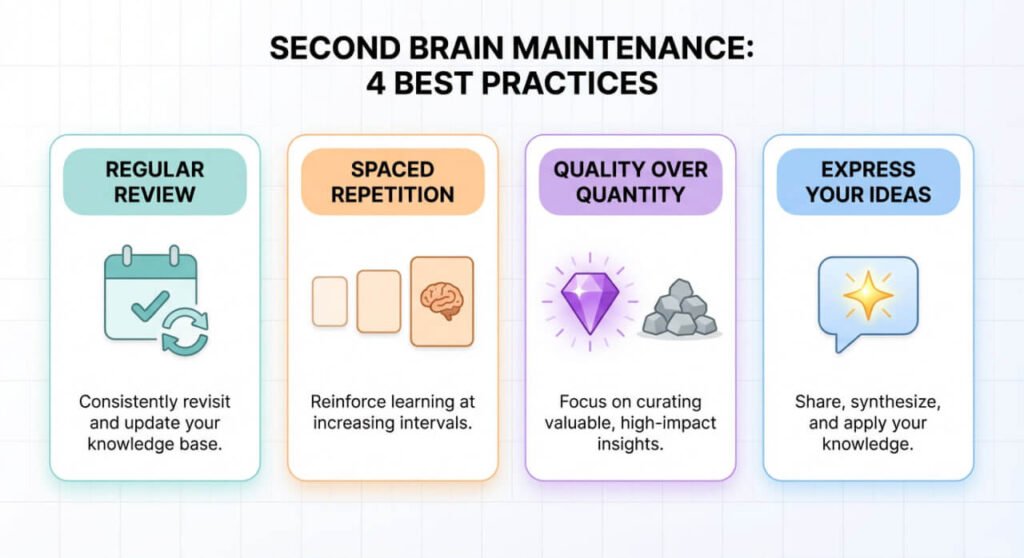
Focus on regular review and clean-up. Set aside time weekly or monthly to look through your notes. Delete information you no longer need. Update notes that are unclear or outdated. This prevents your system from becoming overwhelming.
Actively use your notes to learn. Apply spaced repetition for important facts you want to remember. Use AI-enhanced productivity toolsfor resurfacing if available. These tools automatically show you relevant old notes when you work on something new. This makes your stored knowledge active and helpful.
Always choose quality over quantity. Avoid saving every small piece of information. Protect against digital clutter. Only add notes that have real value for your goals, projects, or learning. Too many unimportant notes make the good ones hard to find and reduce the system’s overall value.
Consistently express your ideas. Turn your notes into something concrete. Write blog posts, make presentations, journal your thoughts, or discuss them with others.
This process helps you understand your notes deeply. It shows gaps in your knowledge and makes the second brain truly work for you.
Who Should Care about the Benefits of Second Brain Systems?
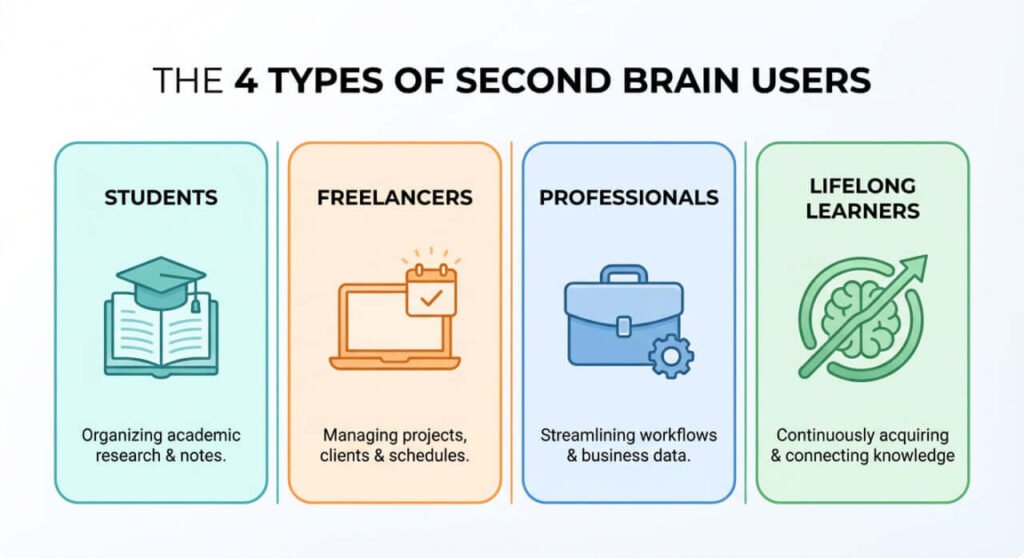
An infographic of second brain users, Students, freelancers, professionals, learners.
A Second Brain system helps many people. It gives the most benefit to those who need to remember and use lots of information.
Students gain a lot. They build better study habits and academic organization. This system helps them keep notes, track assignments, and prepare for exams more effectively.
Freelancers and entrepreneurs also see big advantages. They use it to track ideas, manage content for their work, and plan long-term projects or business growth. It keeps their creative thoughts and important tasks organized.
Professionals in companies benefit greatly. The system helps them capture meeting insights, track project progress, and support their career development by storing useful knowledge and skills learned over time.
Lifelong learners find it especially useful. It helps them connect ideas they discover across different disciplines and remember them over long periods of time. This makes their learning deeper and more meaningful.
The Future of Second Brain Systems and AI-Powered Productivity
Second brain systems will become essential tools for managing information. They are future-proof because they adapt as technology changes. You can trust them to stay useful over time.
Artificial intelligence makes these systems powerful. AI suggests connections between your notes. It finds links you might not see yourself. AI also summarizes notes quickly. This gives you the main points without reading everything again.
AI-enhanced productivity tools will handle routine tasks. It will capture information smartly from emails, web pages, or messages. It will also organize content automatically. This saves you time and effort.
Brainfo acts as an intelligent second brain platform. It uses AI to help you think and remember. Brainfo learns from your information. It makes your knowledge easy to find and use. Imagine a world where your digital brain thinks ahead for you. Your second brain anticipates what you need. It prepares information before you even ask. This makes you more productive and less stressed.
Conclusion: Your Second Brain – A Lifelong System for Clarity & Creation
Building a Second Brain isn’t about downloading another app or hoarding more notes. It’s about creating a trusted system—a dynamic extension of your mind—that liberates you from overwhelm and unlocks your potential. As we’ve seen, traditional note-taking leaves knowledge trapped and forgotten, while a purpose-built Second Brain (guided by CODE and PARA) transforms information into insight, clarity, and action. By externalizing your thoughts, organizing for usability, distilling what matters, and consistently expressing your ideas, you turn chaos into meaningful output.
Remember: Your Second Brain is a practice, not a product. Tools like Notion, Obsidian, or Brainfo support it, but the real magic lies in your habits: capturing intentionally, reviewing regularly, and creating fearlessly. Start small—capture one idea today. Stay consistent—build your review rhythm. Choose tools that feel effortless, not overwhelming. Perfection is the enemy; progress is the goal.
Ready to Build Your Second Brain?
Don’t let another valuable insight slip away. Experience the future of AI-powered knowledge management withBrainfo. Let our intelligent platform anticipate your needs, resurface hidden connections, and turn your knowledge into momentum.
Your mind is for having ideas, not holding them. Build your Second Brain—and start creating, not just collecting.
FAQ: Building and Using a Second Brain
1. What exactly is a Second Brain?
A Second Brain is a personal digital system that helps you capture, organize, and use information outside your head. It acts as an external memory and thinking tool—designed to reduce mental overload and increase clarity, creativity, and productivity.
2. How is it different from regular note-taking?
Traditional note-taking often leads to scattered, forgotten, or unused information. A Second Brain uses frameworks like CODE and PARA to ensure your notes are organized for action, easily retrievable, and used to create meaningful output.
3. Do I need special software to build one?
No. You can start with any tool you’re comfortable with—Notion, Obsidian, Evernote, Apple Notes, or even folders on your desktop. The tool matters less than the structure and habits you apply.
4. What is the CODE framework?
CODE stands for Capture, Organize, Distill, Express. It’s a method that helps you gather useful information (Capture), structure it by purpose (Organize), simplify it for clarity (Distill), and use it creatively (Express).
5. What is PARA, and how does it help?
PARA stands for Projects, Areas, Resources, and Archives. It’s a method of organizing your notes based on their purpose rather than their topic, making it easier to find what you need when you need it.
6. How much time does maintaining a Second Brain take?
Just a few minutes daily and about 15–30 minutes weekly. Consistency is more important than intensity. Start small, review regularly, and your system will stay clean and helpful.
7. Won’t I get overwhelmed by organizing everything?
Only if you try to do too much too soon. Start by capturing ideas naturally. Add structure gradually. A Second Brain is a living system—it should evolve with your needs, not overwhelm you.
8. Can AI help manage my Second Brain?
Yes. AI can assist with summarizing notes, suggesting connections, organizing content automatically, and resurfacing relevant information. Tools like Brainfo use AI to make your Second Brain smarter and more proactive.
9. Who benefits the most from using a Second Brain?
Anyone who handles a lot of information: students, freelancers, entrepreneurs, professionals, creators, and lifelong learners. If you want to remember more and do more with what you know, it’s for you.
10. How do I get started?
Pick a simple tool. Start capturing ideas and notes. Organize them using PARA. Begin reviewing weekly. Let your system grow over time. You don’t need perfection—just progress.