As you pursue a degree in higher education, or work in more knowledge demanding fields, you start to develop note-taking techniques to help you organize what you’re learned and to use it in the future
Personal Knowledge Systems are changing the knowledge management landscape through their strategic integration in our digital lives. To keep up with information overload and stay ahead of the curve, in this article we are going to show you how new PKS tools:
If you’re interested in how you can leverage AI enhanced productivity tools like Brainfo to take your knowledge organization method to the next level, make sure to read ahead.
Why You Need a Knowledge Base
Now most of our interactions are mediated through screens, so your handwritten notes could stand to gain from the ability to easily retrieve, run meta-analysis and especially easy sharing with others.
Imagine you’re in the middle of an important work call, and you need to recall that insightful video you watched last month about productivity hacks. Maybe you’re a student and you recently read an article with an important point that connects well to your current research.
You check your phone, scroll through a chaotic sea of notes in Apple Notes—half-finished lists, random screenshots, and cryptic bullet points that make no sense now. Forget it, maybe it’s easier to find it in your browser history or bookmarks.
The situation isn’t any better there; it’s like a graveyard of forgotten tabs and links that are long past their usefulness.
Frustration builds as you realize you’ve saved all this information, but it’s useless. It’s scattered, disconnected, and buried under digital clutter.
Even worse is if you’ve forgotten to save it and are left searching variations of keywords to go back to square one.
This isn’t just a minor annoyance that you can fix with mindfulness. It’s a symptom of a deeper problem in how we handle information overload today.
In the information age, we’re bombarded with data from every angle—articles, podcasts, emails, social media threads. Yet, most of us default to the same broken habit: passively taking notes. We jot down nuggets of insight, if we’re good at bookkeeping even include a link to the source, and call it a day.
But the truth is that traditional note-taking is fundamentally flawed. It’s a reactive, short-term fix that turns you into an accidental hoarder, overwhelmed by fragmentation and inaccessibility. Your knowledge doesn’t compound; it evaporates.
It’s similar to pulling all-nighters for exams, you probably won’t remember a thing after reviewing your notes tomorrow.
A PKS isn’t just about collecting notes; it’s a strategic knowledge management system designed to connect ideas, build on past insights, and deliver real value over time.
Think of it as your intellectual portfolio, an asset that appreciates with every addition, empowering your future self to make better decisions, spark creativity, and achieve tangible progress.
This post isn’t a list of productivity tips—it’s a manifesto for rethinking your relationship with knowledge.
By the end, you’ll see why building a PKS is the most valuable investment you can make in the information age. And if you’re ready to make it effortless, tools like Brainfo are waiting to help.
The Pitfalls of Passive Note-Taking
If you’re like most professionals, students, or lifelong learners, your “system” for handling information is anything but systematic. You grab a quick note during a webinar, bookmark a webpage on a whim, or dump files into random folders on your desktop titled “important note”.
Solutions like Google Keep or Apple Notes become your default digital junk drawer—overflowing with unorganized snippets that seemed important at the moment but now blend into a meaningless mess.
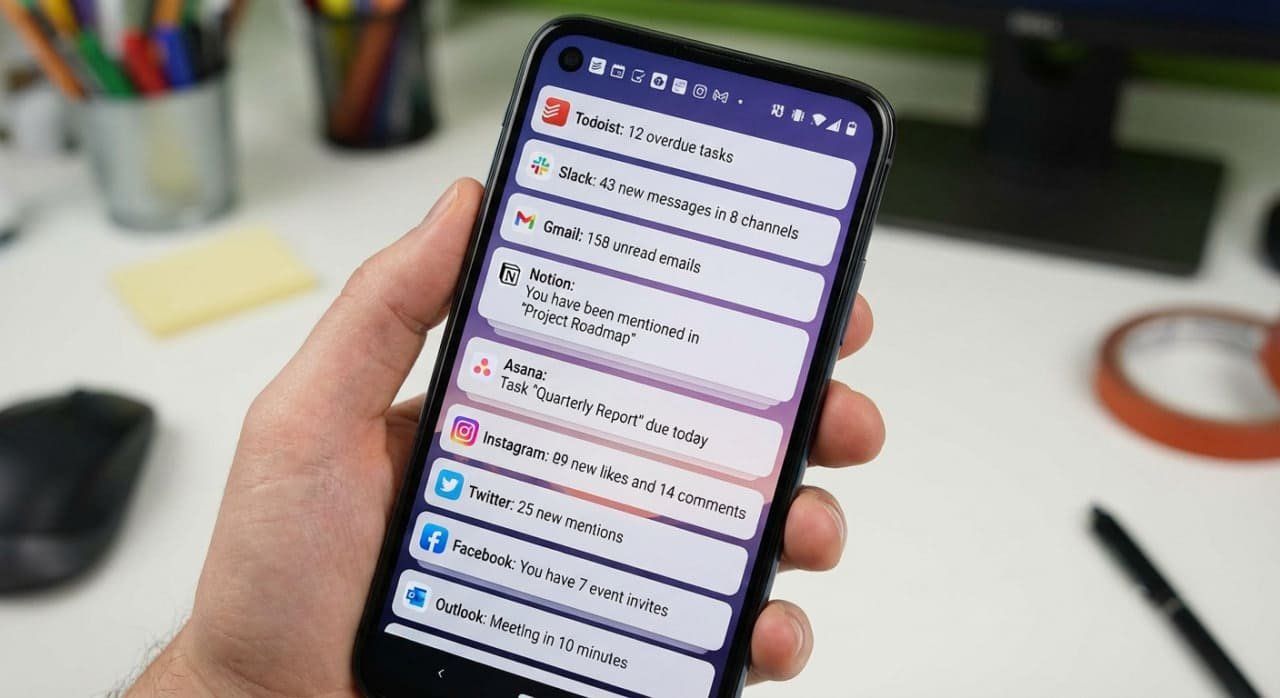
This is the hallmark of the accidental hoarder: someone who collects endlessly but retrieves nothing effectively. Your knowledge is fragmented across devices and apps, making it impossible to connect the dots.
Remember that brilliant idea from a book you read?It’s lost in a sea of unrelated entries. That research for your next project? Buried under duplicates and outdated links. The core pain point is clear: Your information consumption isn’t translating into learning or action.
Instead, it leads to constant re-googling, wasted time, and a nagging sense that you’re not progressing.
Don’t let the title of the video above fool you, it is a brutal and honest approach to how you should actually approach learning and knowledge management as a system rather than a quick fix with the right software solution.
So how do you stop being a digital hoarder? First, recognize the symptoms. Hoarding starts innocently—a saved PDF here, a screenshot there—but snowballs into overwhelm. Real ones remember the days of saving articles on Pocket only to be overwhelmed by the readtime.

Psychologically, it’s rooted in fear: the fear of missing out on valuable info. But philosophically, it’s a flawed approach to knowledge.
In a world where information is infinite and cheap, passive collection treats notes as disposable liabilities. They don’t accrue value; they gather digital dust, demanding maintenance without clear returns.
Consider the analogy of loose change. Traditional notes are like coins tossed into pockets, jars, and couch cushions—easy to accumulate but frustrating to gather when you need cash for something meaningful.
Over time, this habit erodes your intellectual capital. You end up with a bloated, inaccessible hoard that hinders rather than helps. It’s not just disorganization; it’s a barrier to the connected thinking that drives innovation and growth.
So here’s the good news, there’s a better way. By shifting from passive note-taking to an active Personal Knowledge System, you flip the script.
Instead of hoarding, you curate. Instead of fragmentation, you build connections. This isn’t about minimalism for its own sake—it’s about creating a system that compounds your knowledge like interest in a high-yield account.
“In the 21st century, where AI and automation handle basic processing tasks, your edge comes from how you organize knowledge.”
On a related note, we explain how you can gradually transition to digital thinking in this blog which will help you in building a knowledge base.
What is a Personal Knowledge System?
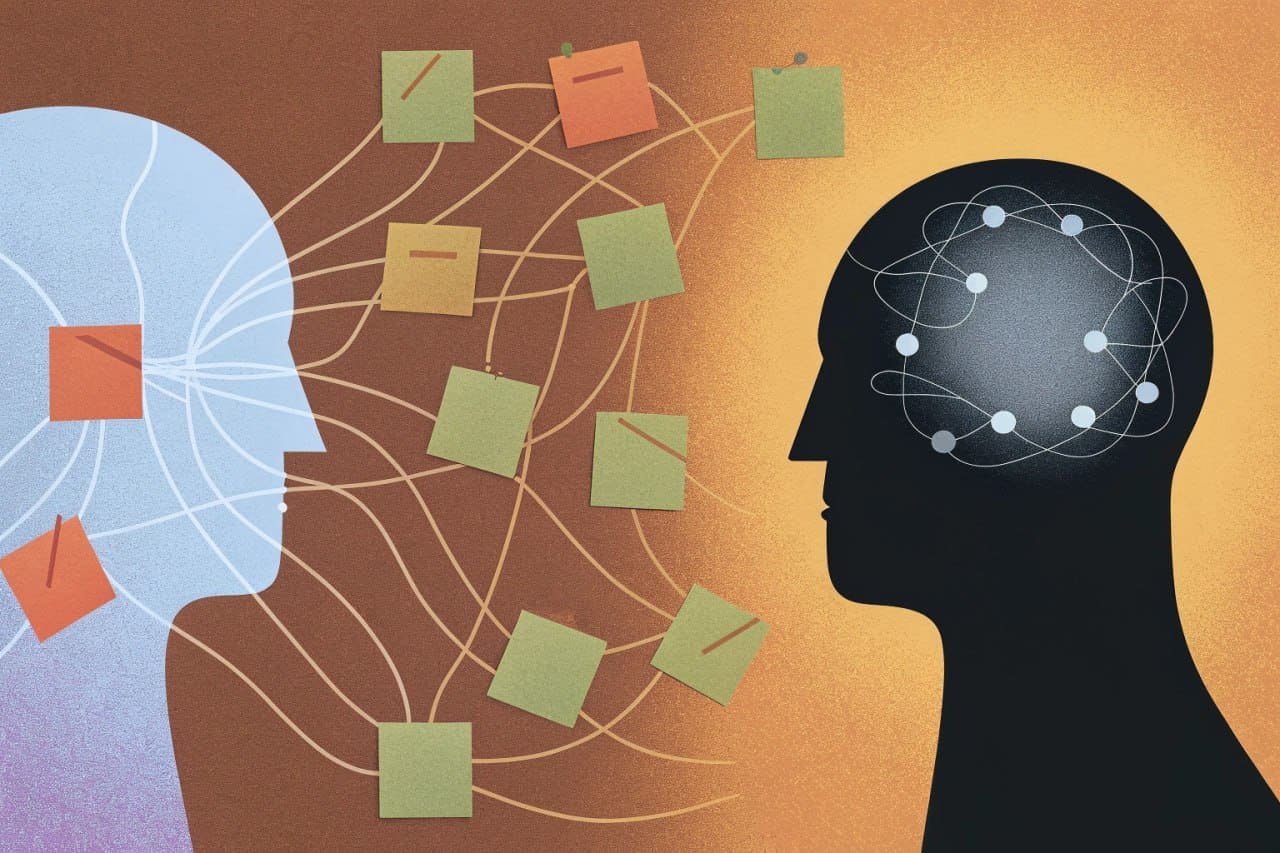
At its core, a PKS is a deliberate, interconnected knowledge management system that goes beyond note-taking. It’s your “second brain”—a dynamic repository where ideas aren’t just stored but linked, synthesized, and evolved to serve you long-term. To clarify the difference between note-taking and a knowledge system, let’s break it down:
| Aspect | Traditional Note-Taking | Personal Knowledge System |
| Approach | Passive collection of isolated scraps | Active curation and interconnection |
| Structure | Linear lists or folders, often chaotic | Networked web of linked ideas |
| Value Over Time | Diminishes as notes become forgotten | Compounds through synthesis and updates |
| Outcome | Fragmented, hard-to-access info | Actionable insights for real progress |
| Tools | Basic apps like Apple Notes | Dedicated PKS platforms like Notion and Brainfo |
Traditional note-taking is reactive. You capture a thought in the moment, but it sits in isolation, rarely revisited or connected to broader contexts.
A PKS, on the other hand, is proactive. It treats knowledge as an asset, drawing on second brain principles to create a living ecosystem. Ideas from a podcast link to book notes, which connect to project plans, forming a web that sparks new insights.
Philosophically, this is a manifesto for intellectual empowerment. In the 21st century, where AI and automation handle basic processing tasks, your edge comes from how you organize, interpret, and utilize knowledge.
Going back to the knowledge as currency analogy, a PKS isn’t a static vault; it’s an investment that pays dividends. Imagine revisiting a note from years ago, now enriched with cross-references and updates, fueling your current work. This compounding effect turns fleeting information into enduring wisdom.
The benefits are transformative. Easier retrieval means less time searching and more time creating. Connected ideas foster creativity, helping you spot patterns others miss.
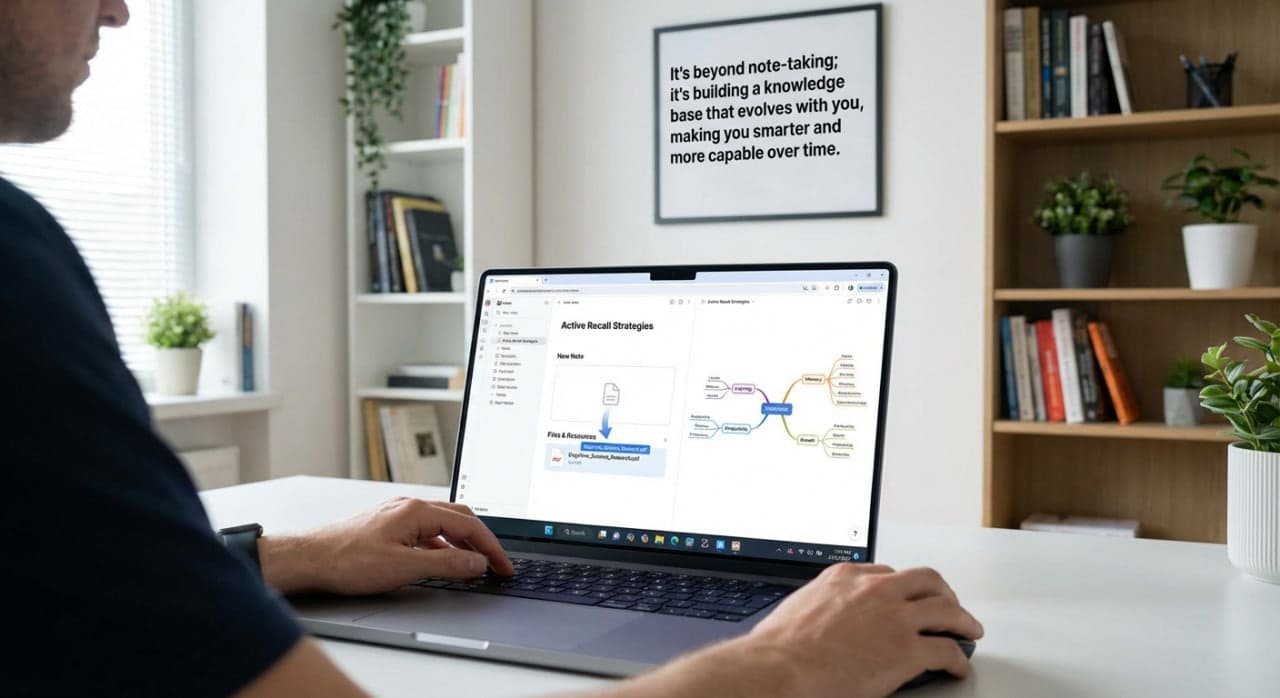
And unlike hoarded notes, a PKS drives real-world outcomes—better strategies, informed decisions, and personal growth. It’s beyond note-taking; it’s building a knowledge base that evolves with you, making you smarter and more capable over time.
“Think of a Personal Knowledge System as your tended orchard—plant intentionally, nurture links, and harvest fruit year after year.”
Building the Components of a Personal Knowledge System
Building a Personal Knowledge System might sound daunting, but it’s straightforward once you understand its components. Think of it as constructing a well-organized library, not a junk-filled attic. Here are the key elements, with practical steps to get started:
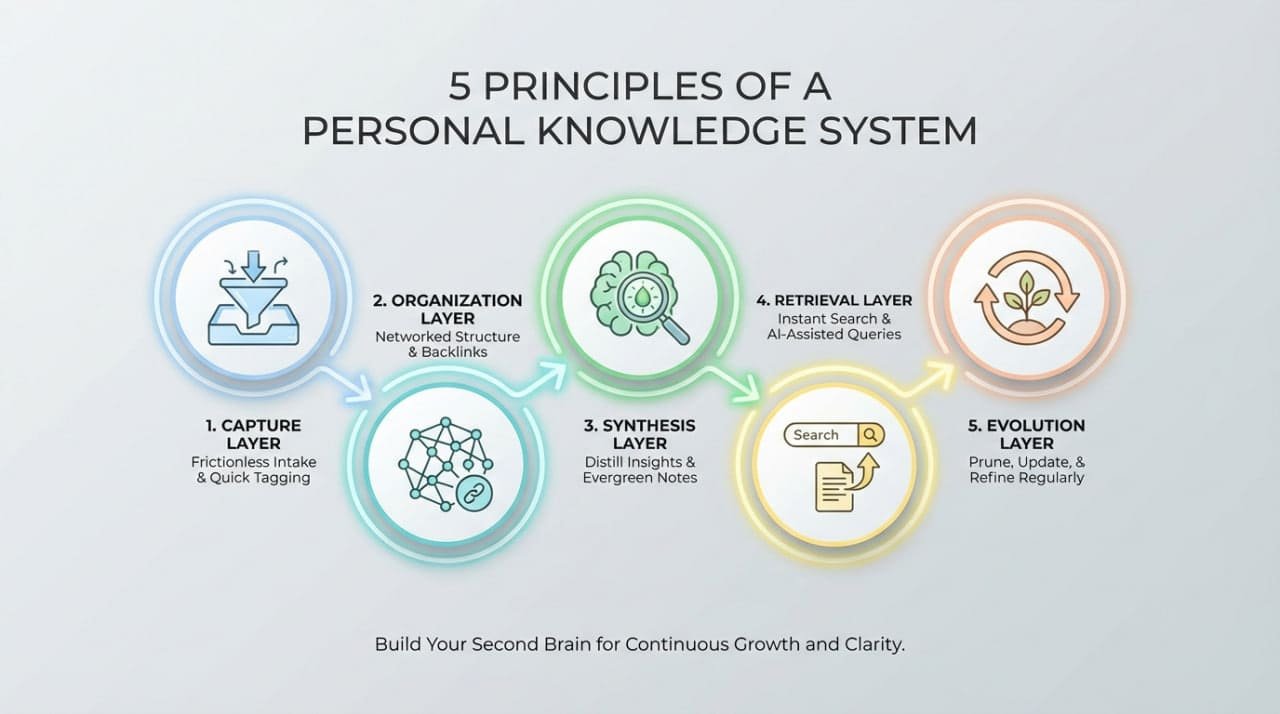
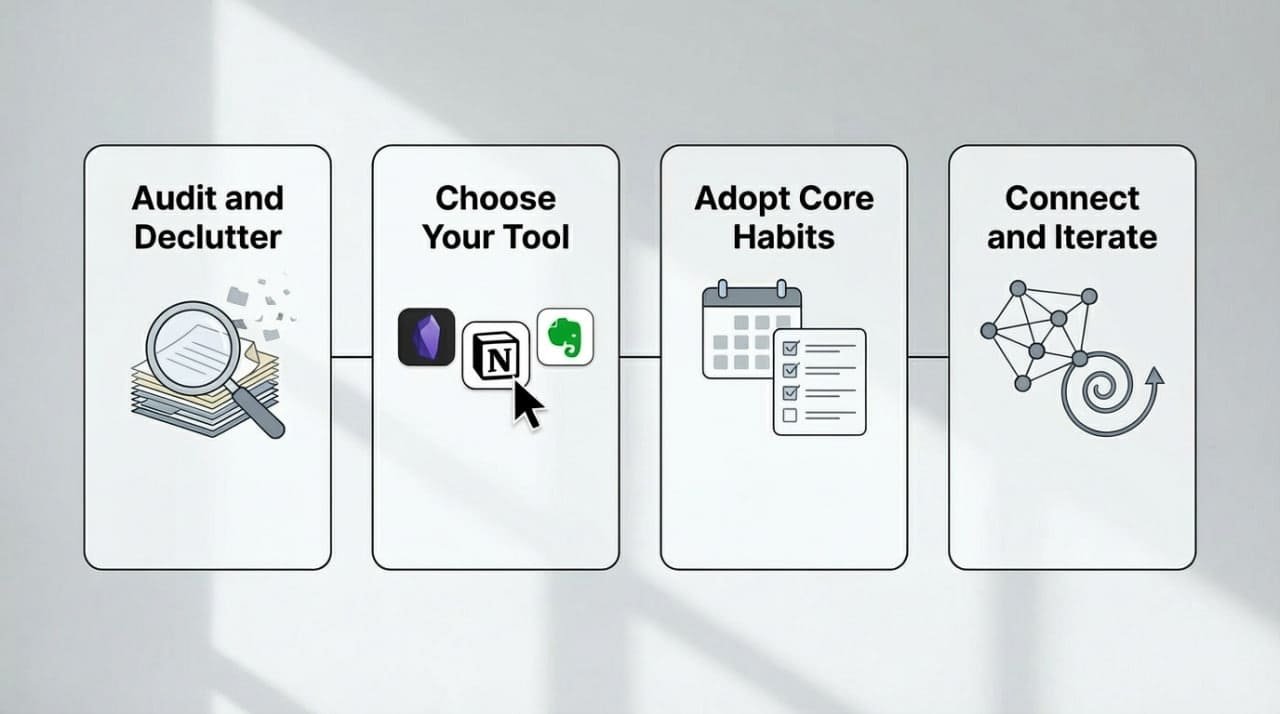
To build your knowledge base, start small. So first, audit your current notes. Declutter ruthlessly, keeping only what’s useful.
Choose a flexible tool that supports linking and search—beyond basic apps, platforms designed for personal knowledge management excel here. Begin linking 5-10 ideas per week, and watch connections form.
Traditional notes are seeds thrown randomly, yielding weeds. Think of a Personal Knowledge System as your tended orchard—plant intentionally, nurture links, and harvest fruit year after year.
Don’t be intimidated; this is empowering. With practice, your system becomes second nature, turning information overload into intellectual power. If you’re interested in learning about second brain principles, make sure to check our blog on it.
Implementing a Personal Knowledge System in Your Digital Life
The best way to organize your digital life starts with implementing your PKS step by step:
This isn’t just organization; it’s a philosophy of intentionality. Your digital life becomes a coherent ecosystem, boosting efficiency and reducing stress.
Conclusion: Invest in Your Intellectual Future
Re-visiting a main text is always helpful to gain fresh insights given changes to your thinking or life experiences, but the accompanying notes are a key part of that journey to build from previous notes rather than going through the same steps.
Shifting from passive notes to a Personal Knowledge System is more than a habit change—it’s an investment in your future.
You’ll move from fragmentation to connection, from hoarding to curation, unlocking compounding knowledge that drives real progress.
Brainfo is the ideal tool to make this effortless. Built specifically as a knowledge management system, it solves your pain points with seamless capture, AI-powered links, and intuitive search—turning chaos into clarity without the complexity.
Ready to build your Personal Knowledge System? Join the Brainfo waitlist today and transform your information overload into intellectual power. In the information age, your knowledge system is your legacy—start building it now.
Frequently Asked Question
1. What are the main problems with traditional note-taking?
Traditional note-taking creates chaos in the information age, turning users into digital hoarders with scattered, disconnected notes. It leads to frustration from poor retrieval, knowledge evaporation, and wasted time re-searching, as insights don’t compound or connect effectively.
2. How does a Personal Knowledge System differ from regular note-taking?
A PKS goes beyond reactive collection by creating an interconnected “second brain” where ideas link, synthesize, and evolve. It treats knowledge as an appreciating asset, fostering creativity, better decisions, and long-term value over digital clutter.
3. What are the key benefits of building a Personal Knowledge System?
A PKS connects ideas to accelerate learning, reduces information overload by enabling easy retrieval and synthesis, and boosts creativity and progress.
4. How do I start building my own Personal Knowledge System?
Begin with an audit: declutter notes, choose a flexible tool for linking and search, then build layers for capture, organization, synthesis, retrieval, and evolution.
5. Why is information overload a bigger issue now, and how does a PKS help?
Digital screens flood us with data, making traditional notes inadequate for retrieval and sharing, leading to frustration and lost insights. A PKS counters this by curating connections, turning overload into actionable wisdom through proactive management and compounding.
6. What role do tools like Brainfo play in creating a Personal Knowledge System?
Brainfo simplifies PKS building with AI-powered features for seamless capture, linking, and search, eliminating chaos without complexity. It supports all layers, helping transform your digital life into a coherent, evolving knowledge ecosystem.