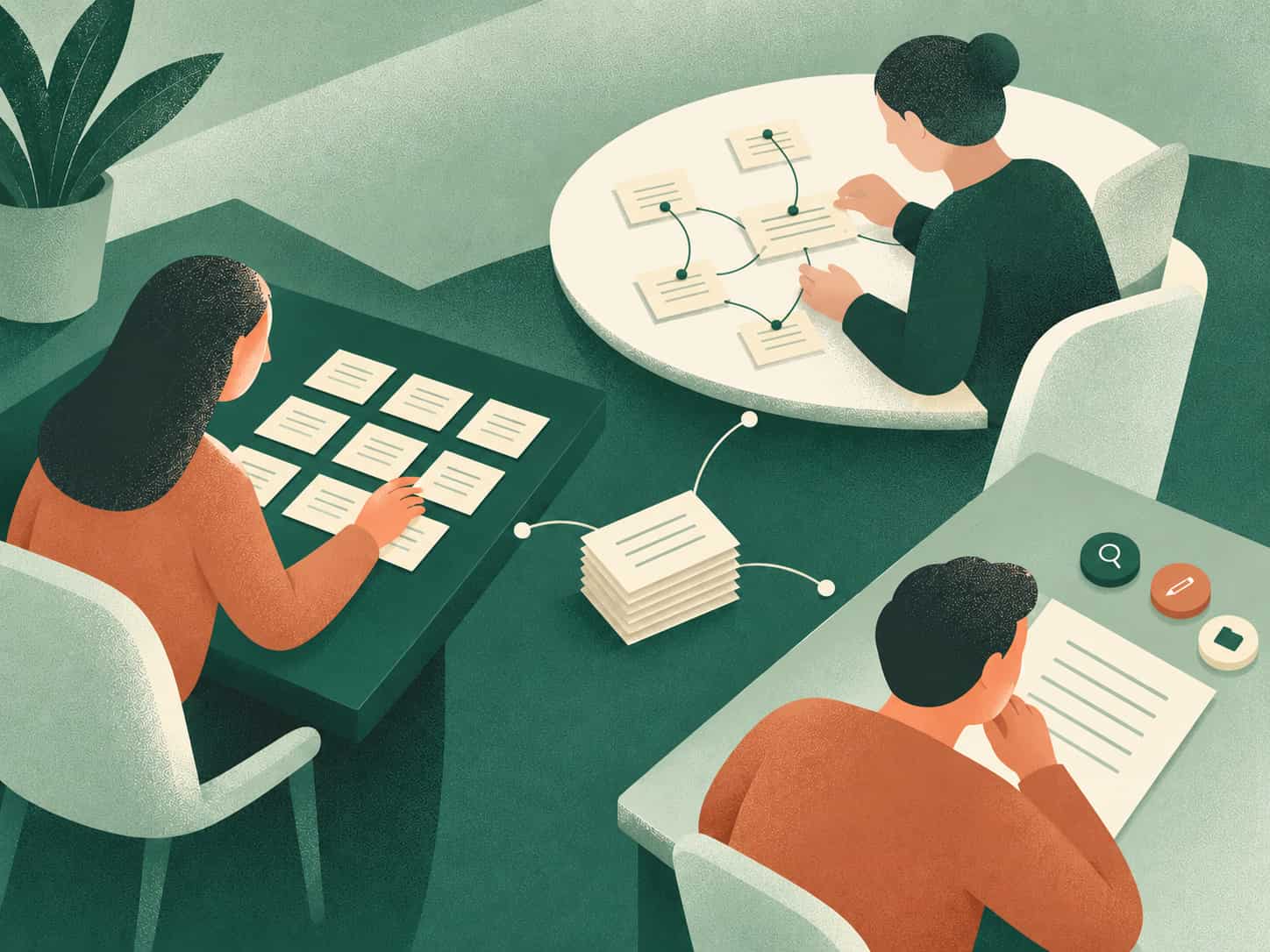

Have you ever felt overwhelmed with too many ideas, notes, and half-finished projects? The solution is “less is more”. You should use Second Brain for action with a system to turn ideas into action, not to collect more data.
In this guide, we’ll use the C.O.D.E. method (Capture, Organize, Distill, Express) created by Tiago Forte, a well-known productivity and personal knowledge management expert, to show you how to turn your Second Brain to more of a working engine rather than a storage unit; from capture to creation.
In the end we will also introduce an all-in-one second brain workflow tool to help you achieve productivity more quickly and effectively.
To make things simple and fun, we’ll use a chef’s kitchen as our guiding metaphor. Think of your ideas as ingredients; you’ll stock your pantry, prep them, choose recipes, cook step by step, and finally serve them to the world.
Just like a chef improves with practice, you’ll refine your process over time; let’s dive in!
1. Capture (Stock Your Pantry)
Just as a chef brings home groceries before deciding what to cook, you need to gather your raw ingredients (ideas, notes, links, quotes) first.
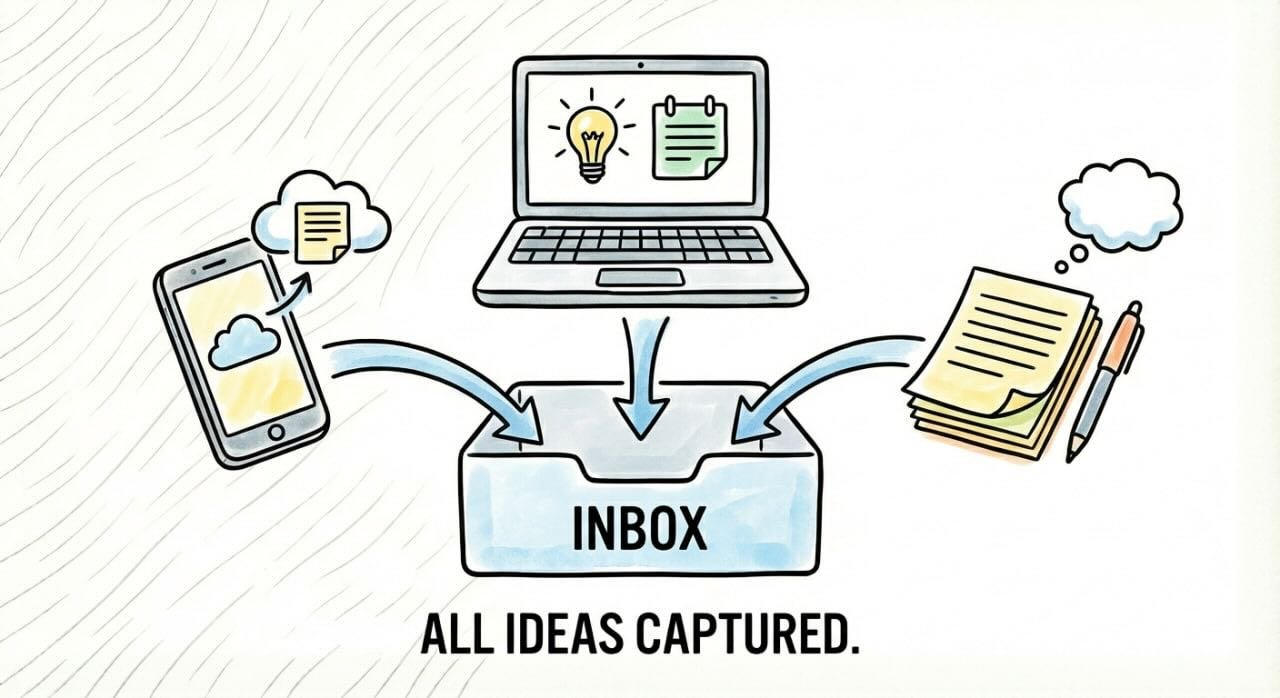
This is where you need to capture your thoughts before they slip away, which is more of a discipline exercise than anything else.
Fortunately there are tons of tools to do that now than any other time in the past, so no excuses will be accepted!
Create an “Inbox” for every raw thought, inspiration, or resource using web clippers, apps, or voice memos or anything else. Even a piece of paper will do the job to capture ideas instantly and let nothing get lost.
At this stage, you don’t need to worry about organizing yet; just get the ingredients into your pantry and worry about organizing them next.
2. Organize (Mise en Place)
Now this is the first step for using a Second Brain for action.
This is where you start organizing your thoughts, tasks and plans just like a chef won’t start cooking with bags of groceries on the counter.
They wash, chop, and prep ingredients so the recipe flows. Sort items into categories like: Projects, Tasks, Resources, or Someday/Maybe.
This way you will instantly be able to find the right data when you need it.
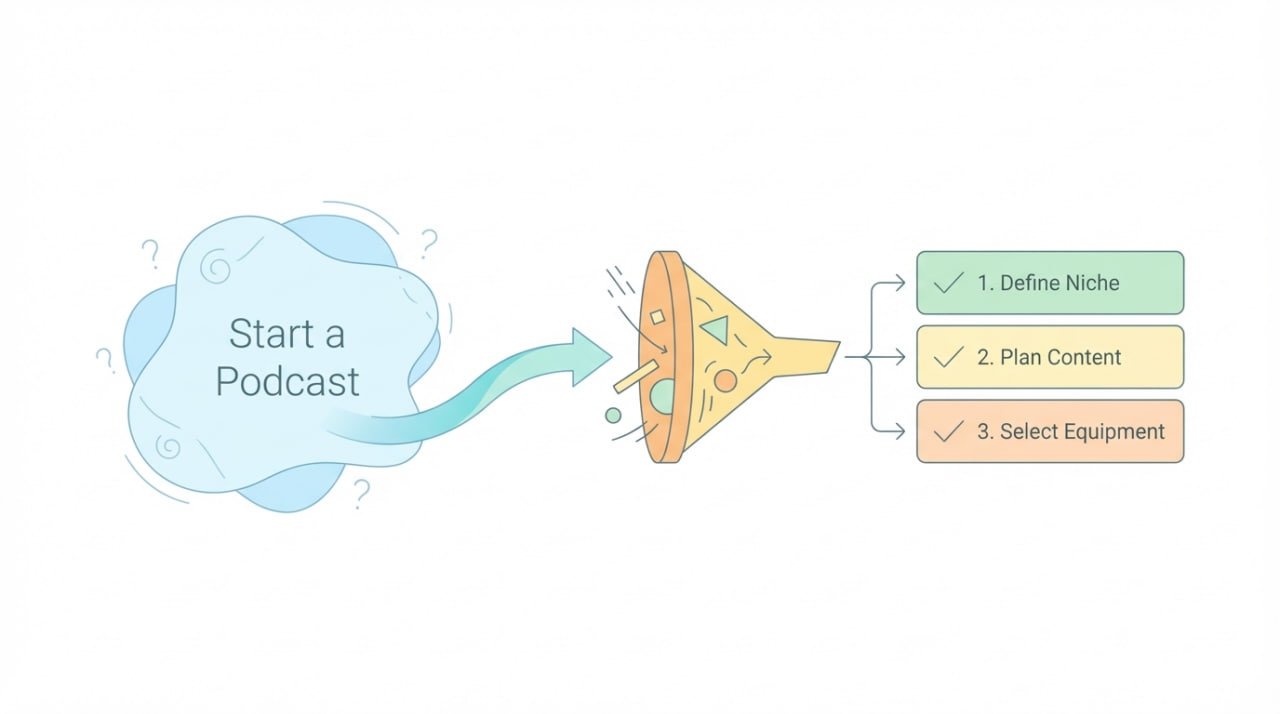
Then, refine vague notes into actionable pieces. For example instead of just writing “Start a Podcast”, break it into multiple actionable steps:
Starting a podcast might seem too far fetched, but picking a theme or buying a microphone seems pretty feasible.
3. Distill & Prioritize (Choose the Recipe)
From all the possible meals, you choose a recipe based on available ingredients, customers’ orders or the occasion, not a random decision, so start creating the recipe for the most relevant ideas and tasks.
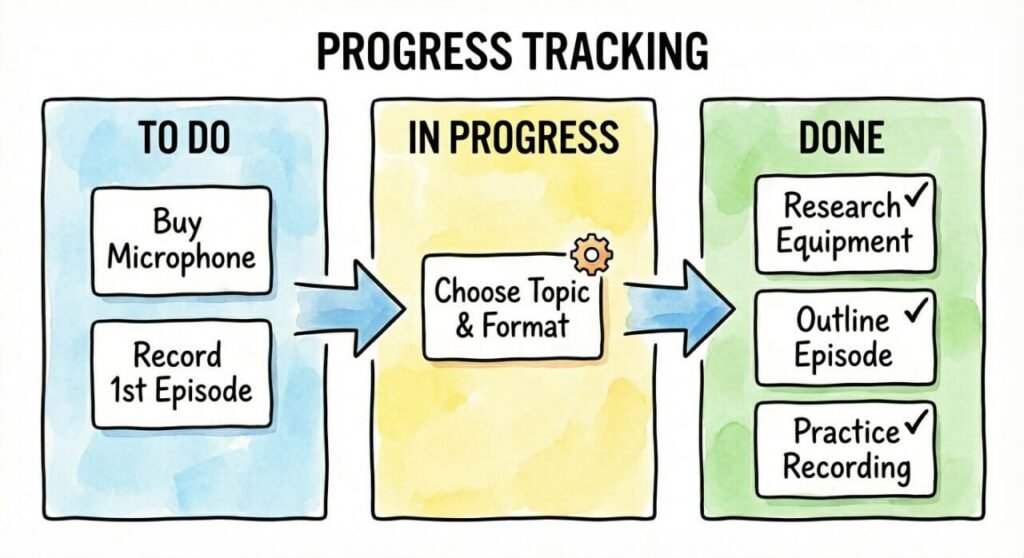
You can filter your tasks based on progress levels (like To Do → Doing → Done) in order to track where you are in the process. You can also add other useful properties like:
This is how each step defined in the organization process has a proper plan.
With a proper plan not only do you know what you need and what you need to do, but also what to do first and how much time and energy is needed for each step.
4. Express & Connect to Routine (Serve the Dish)
A dish only matters once it’s served. Ideas are the same; they need to leave the kitchen and reach the table (audience, team, client).
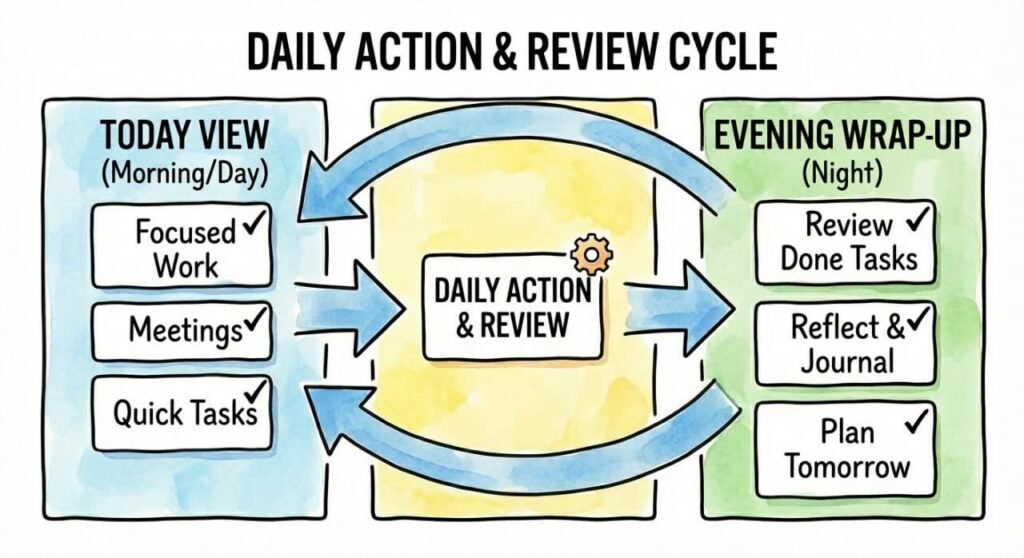
Create a “Today View” showing only tasks due today or flagged as “Next” to reduce overwhelm and ensure steady progress.
This can also give you motivation to wake up earlier, work a bit harder and plan your day a bit better as you know exactly what the next 24 hours of your day should be spent on.
Connecting to a routine reduces surprises and stress as thinking too far into the future might be scary, but it is way easier to chop your day into 3-4 manageable pieces just like breakfast, lunch and dinner.
Last but not least, never forget to analyze your performance at the end of the day, month or year.
The final trick is wrapping up!
Make sure you move over the incomplete tasks to the next day, cross out the ones that are complete and ask yourself what went wrong that day, or even better, what you can do better tomorrow in order to always improve.
Just like a chef is always tasting, adjusting and getting feedback, you need to make sure your success will be recurring and mistakes won’t be repeated.
And if you face roadblocks down the line, make sure to take a look at our “How to overcome blank page paralysis” guide.
Conclusion – Turn Ideas into Action
Using a Second Brain for action doesn’t have to be overwhelming. By following the C.O.D.E. method, Capture, Organize, Distill, and Express, you build a system that transforms ideas into action.
Think of it as running your own imaginary kitchen: your ideas are ingredients, your system is the recipe, and your results are the finished dishes you serve to the world.
The more you practice, the smoother and faster the process becomes.
But even the best recipe needs the right tools.
That’s where Brainfo.ai comes in, an all-in-one Second Brain workflow platform powered by AI to help you capture ideas instantly, organize information intuitively, and turn insights into real-world outcomes.
If you’re ready to stop collecting ideas and start creating results, try Brainfo.ai today and experience the future of Personal Knowledge Management.
Frequently Asked Questions
1. How can I stop forgetting my ideas before I have the chance to work on them?
Prioritize capturing them instantly. Use notes, voice memos, or screenshots.
2. I have hundreds of notes and ideas already. Is it too late to organize them using the CODE method?
Not at all. Just begin sorting what you already have into Projects, Tasks, and Resources and you have already taken care of capturing and organizing.
3. What makes the C.O.D.E. method different from traditional productivity systems that I’ve already tried?
It focuses on transforming ideas into results, not just storing information.
4. How often should I review or update my Second Brain workflow so it stays useful and doesn’t become another digital mess?
Do small daily check-ins and a short weekly review. Consistency keeps your system alive and light.
5. I struggle with turning big goals into manageable steps. How can this method help me overcome that?
By breaking ideas down into actionable tasks. Small wins build momentum faster than big dreams.
6. What if I’m not naturally organized or tech-savvy. Can I still build a Second Brain?
Absolutely. Start with simple tools you already know. The key is habit, not hardware.
7. How do I know when it’s time to stop planning and finally start doing something with my ideas?
Once you get to the Project step in the CODE method it’s time for action.
8. Can I really become more productive just by using this system, or is it just another trend?
It is a new trend, but so there are so many success stories that make it a reliable method. Just give it a Reddit search and you will know.